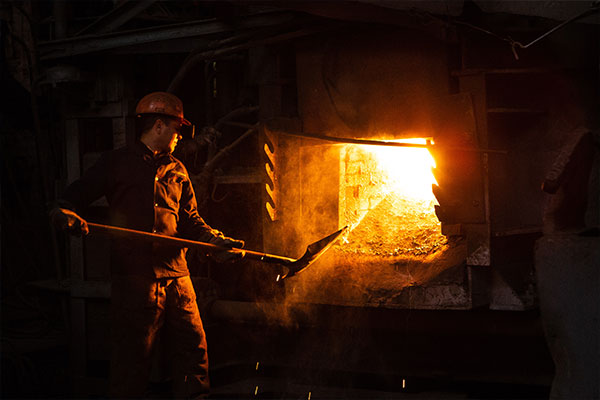
Thermal Stress
A thermal stress risk is done to determine the heat stress levels or cold stress levels existing throughout the workplace and to identify potential health hazards in respect of the Environmental Regulations for Workplaces, Sub-Regulation 2 (Thermal Requirements) framed under the Occupational Health and Safety Act of 1993 (Act No 85 of 1993).
Heat Stress
Heat stress is generally caused by a combination of air temperature, radiant heat, airflow and humidity. When any one of these factors can be controlled, the heat stress will decrease. If these conditions are not monitored correctly employees may be exposed to:
• Dehydration
• Heat Stroke
• Fainting
• Poor concentration & Fatigue
Cold Stress
The cooling of the whole body or parts of the body results in discomfort, impaired sensory and neuromuscular function, and ultimately, cold injury. If employees are not protected from cold stress they could be exposed to:
• Skin sensation and discomfort
• Hyperventilation
• Shivering
• Hypothermia
• Impaired mental function
It is important that all employees, in all work areas, are provided with training and information relating to heat stress and are supplied with and encouraged to drink water regularly.
Regulation and Standards:
- Occupational Health and Safety act, 1993, Act 85 of 1993.
- Environmental regulations for workplaces, 1987.
- BS EN ISO 7243:2017: Ergonomics of the thermal environment. Assessment of heat stress using the WBGT (wet bulb globe temperature) index.